You can have six solid years of experience and still send out a resume that reads like a job description. The experience is real. It’s just buried under lines like “responsible for various tasks” and a layout nobody wants to read twice.
That’s the gap resume editing and writing services are meant to close. This guide explains what each service actually does, which one fits your situation, the mistakes we see most often, and how to check your own resume before you hit send.
Do You Need Resume Editing or Resume Writing?
The two services solve different problems, so it helps to know which one you’re shopping for.
Resume editing works on a resume you already have. The facts are right, but the wording is loose, the bullets repeat each other, there are typos, or the layout is hard to follow. An editor tightens what’s there.
Resume writing makes more sense if you’re starting from nothing, changing careers, or can’t figure out how to describe your work. A writer asks you questions, then builds the document from your answers.
A quick test: if you can open your current resume and say “this is mostly right, it just needs work,” you probably need editing. If you open it and don’t know where to begin, you probably need writing. Plenty of people need a bit of both, with a rewrite of the summary and experience sections and light editing for everything else.
A professional resume editing service can handle either one, so describe your situation when you order.
What a Resume Editor Actually Changes
It’s more than fixing commas. A good edit usually covers:
- Cutting duties that don’t matter for the job you want
- Rewriting vague bullets so they show what you did and what came of it
- Making tense, dates and punctuation consistent from top to bottom
- Tightening the summary to two or three honest sentences
- Fixing the layout so the important parts are easy to find
If you only want a language check, proofreading and editing catches spelling, grammar and punctuation slips that make a careful candidate look careless.
Turn Duties Into Results
This is the single biggest upgrade most resumes need. Compare these two lines:
- Responsible for managing social media accounts.
- Managed three social media accounts and grew engagement by 28% over six months by posting on a fixed schedule and replying to comments within a day.
The first tells the reader what your job title already told them. The second shows what changed because you were there. (The numbers are only an example. Use your own, and only if they’re true.)
No exact figures? You still have options. Describe the size of the work (“handled about 40 customer emails a day”), the problem you fixed (“replaced a paper tracking sheet with a shared spreadsheet”), or who you supported (“trained five new hires”). Ask yourself:
- Did anything get faster, cheaper or less error-prone because of you?
- Did sales, sign-ups or customer feedback improve?
- Did you train, lead or cover for other people?
- What would have gone differently if you hadn’t been there?
A Before and After Summary
The summary at the top is where generic wording shows up most.
Before: Hardworking and motivated professional with excellent communication skills seeking a challenging position in a reputable organization.
After: Content writer with four years of experience in article writing and blog posts and website copy for small businesses. Comfortable with keyword research, WordPress and working to weekly deadlines.
The first version could belong to anyone. The second tells a recruiter what you do, how long you’ve done it and which tools you use, in about thirty words.
Resume Mistakes That Cost Interviews
These turn up again and again:
- Typos and mixed spelling styles (some US, some UK)
- A summary full of adjectives and short on facts
- Lists of duties with no results
- Tense that jumps between past and present for the same job
- Dates that don’t line up or leave unexplained gaps
- Too many fonts, colours or text boxes
- Skills listed that you couldn’t talk about in an interview
- One resume sent to every employer without a single change
Keep It ATS-Friendly Without Stuffing Keywords
Many employers use applicant tracking systems (ATS) to sort applications. Systems and hiring processes differ, so nobody can promise that a resume will pass every one. What you can do is make yours easy to read for software and people alike.
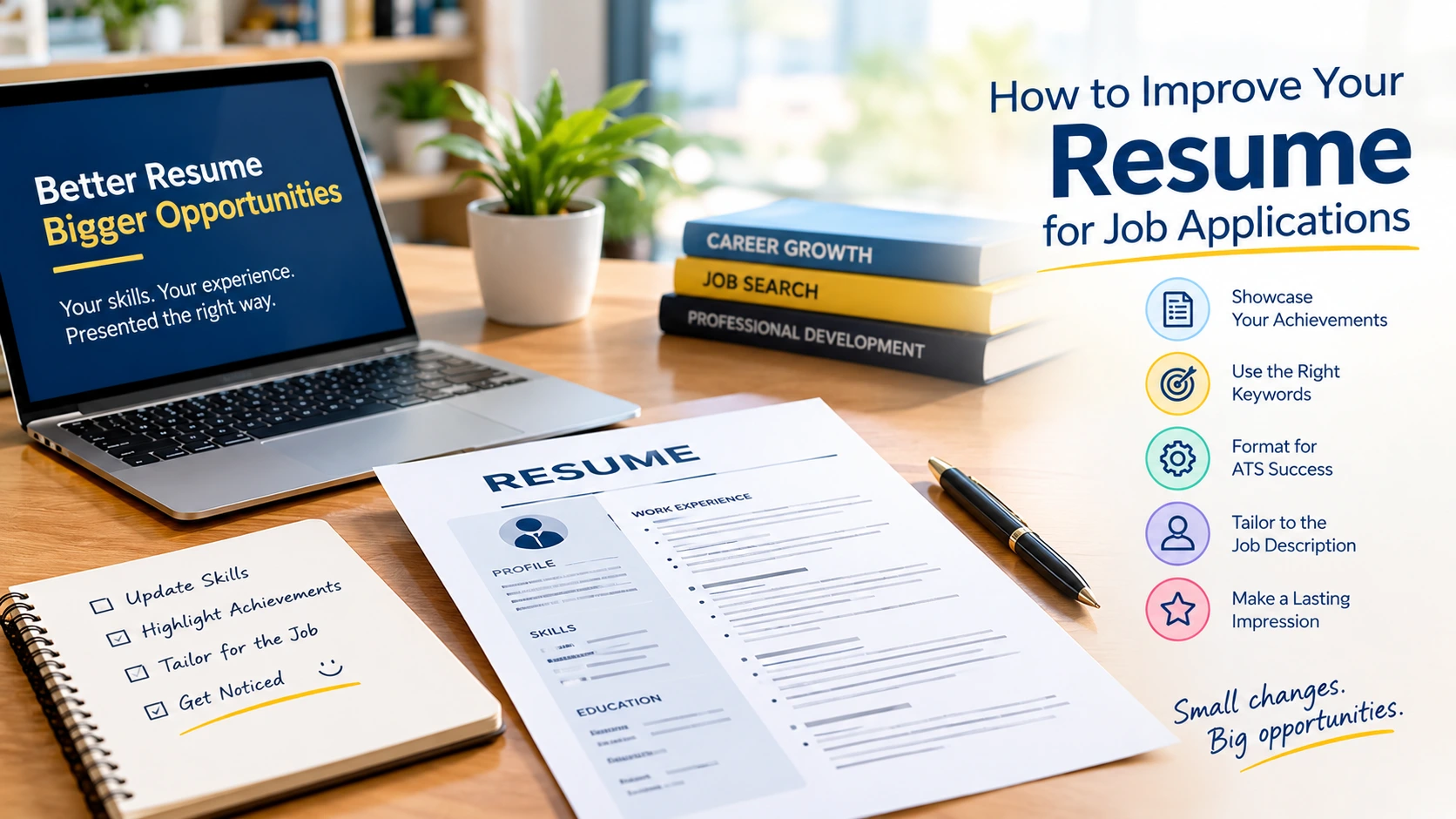
Read the job ad and note the skills, tools and qualifications it asks for. If you really have them, use the same words in your summary, skills list and work history. If the ad wants budgeting and project management, show where you did that. Don’t paste the same phrases ten times.
Keep the layout plain: standard headings such as Experience and Education, a readable font, consistent dates, and no important details in headers, footers or text boxes. Send the file type the employer asks for.
Choose a Format That Fits Your Situation
- Reverse-chronological (latest job first) suits most people with a steady work history.
- Skills-focused can help career changers, but employers will still want a clear timeline.
- Education-first works for students and fresh graduates, with internships, projects and volunteering filling the gaps.
One page is usually enough early in your career. Two pages is fine with a longer history, as long as page two earns its place. Save the file as a PDF unless the employer asks for Word, and name it something sensible like Firstname-Lastname-Resume.pdf. Keep an editable copy too. If you only have a PDF and need changes, our PDF editing service can help.
Fresher or Changing Careers? Start Here
If you don’t have much paid experience, lead with what you do have: coursework, final-year projects, internships, volunteering, freelance jobs and relevant skills. Describe each one the way you’d describe a job, with what you did and what came out of it.
If you’re changing fields, pick the skills that carry over (writing, customer handling, reporting, organising events) and place them near the top. Then keep the work history honest and easy to follow.
Before You Send It: A Quick Checklist
- Does it match the job ad, not just your last resume?
- Does every bullet say what you did and what happened?
- Are tenses, dates and spelling consistent?
- Could you explain every skill and tool on it in an interview?
- Is the layout plain enough to copy and paste as text?
- Has someone else read it out loud to you, or have you read it out loud yourself?
An AI chatbot can give you a draft, but its wording tends to sound the same for everyone. What makes a resume convincing is the specific detail only you can add, so read any generated text carefully and replace the generic parts with real facts.
What to Have Ready Before You Order
If you decide to get help, a few things make the job faster and the result better:
- Your current resume, in whatever condition it’s in
- The job ad you’re applying for, or the kind of role you want
- Achievements, numbers or projects you left out because they felt small
- Your deadline
Wally Editing Service offers resume editing and proofreading, and you can see the options on the pricing and services page. If you also run a portfolio site or blog and the text on it needs work, our website content writing service can help there too.
Frequently Asked Questions
What is the difference between resume editing and resume writing? Editing improves a resume you already have. Writing builds one from your information and answers to questions, usually when you’re starting from scratch or changing fields.
How long should a resume be? One page for most early-career candidates. Two pages can work if you have a longer history and the second page adds something useful.
Will an ATS-friendly resume guarantee an interview? No. A clear format and the right keywords make your resume easier to read, but employers decide who they call.
Should I put a photo or personal details on my resume? It depends on the country and the employer. When in doubt, check the job ad and local norms, and keep the top of the page focused on your name, contact details and work.
Resume or CV: what’s the difference? In many countries a resume is a short, targeted document, while a CV is longer and lists more detail. In other places the two words mean the same thing, so follow what the employer asks for.
Should I send the same resume to every employer? Keep one main version, then adjust the summary, skills and top bullet points for each role. It takes ten minutes and it shows.
One Last Thing
A resume doesn’t need big claims, fancy graphics or a wall of buzzwords. It needs true, specific information, clean writing and a layout that doesn’t get in the way. Pick a target role, read the job ad, fix the weakest section first, and proofread before you send.
If you’d rather hand that part to someone else, we’re happy to help.
Usman Javed is a content strategist at Wally Editing Service, where he leads the content and SEO division. He writes about website copy, SEO strategy, and content that actually works for the businesses reading it.